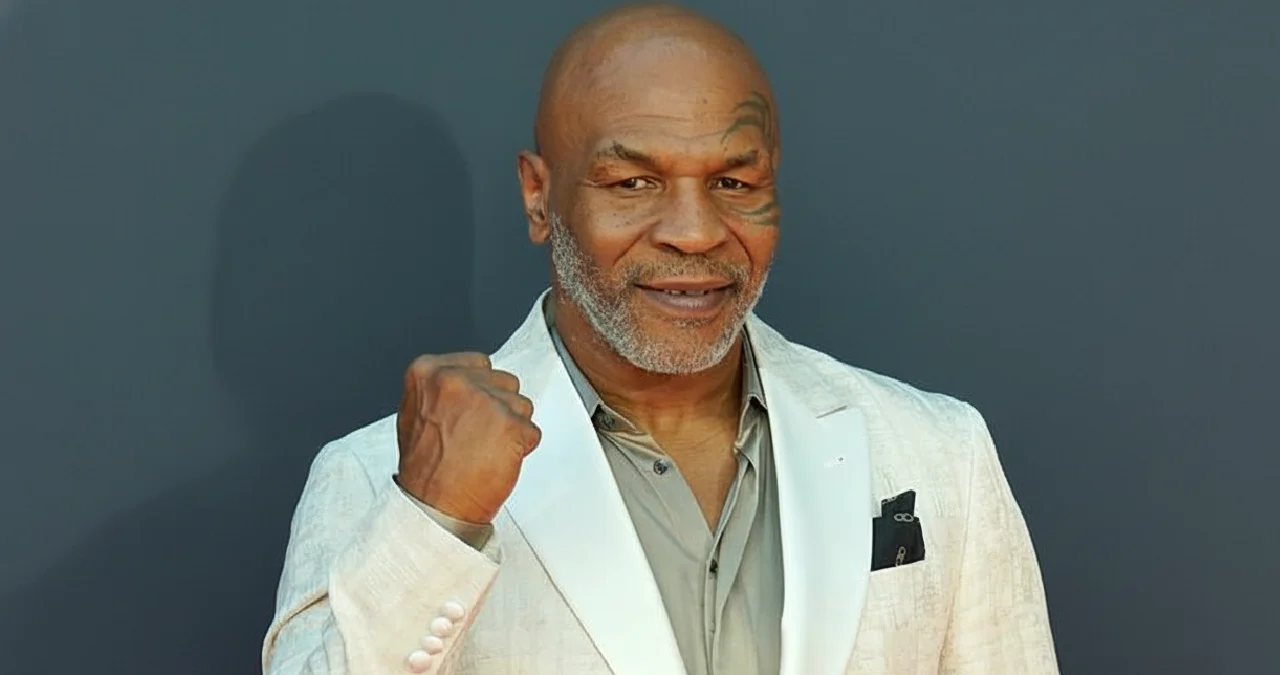
If you search “ mike tyson net worth ” you’ll get different numbers: some outlets estimate around $10 million, others say $20–30 million, and a few list higher — depending on which paydays and ventures they count.
Why the discrepancy? Tyson’s career spans decades, with gigantic paydays, bankruptcy filings, legal claims, and recent comeback money — all of which make a single, perfectly accurate figure tricky. Below we unpack how he built, lost, and is re-building his fortune.
Early life and the rise of “Iron Mike”
From Brownsville to the ring
Mike Tyson’s rise reads like a movie script: a tough childhood in Brooklyn, early brush-ins with the law, a mentor in Cus D’Amato, and then a meteoric climb through the amateur ranks into the pro scene. That rapid rise set the stage for enormous early earnings — and the habits that came with sudden wealth.
Turning pro: Money arrives fast
By the mid-1980s Tyson was not just winning — he was smashing opponents and selling pay-per-views. That early success created enormous negotiating power; promoters and networks were willing to pay top dollar for fights featuring the youngest heavyweight champion in history.
The peak: How much did Tyson really earn?
Biggest purses and pay-per-view money
Across his prime years, Tyson commanded massive purses. Sources estimate career earnings (gross) for Tyson in the hundreds of millions — some outlets suggest career receipts approaching $300–$700 million when you count purses, pay-per-view shares, and related revenue during his peak. That staggering total is the main reason people are so stunned by later setbacks.
Endorsements, merchandise, and celebrity status
Beyond fight purses, Tyson monetized his fame: endorsements, appearances, merchandising, and Hollywood cameos added to his cash flow — at times making him one of the highest-earning athletes in the world.
Lifestyle and spending: The good life with costly tastes
Cars, jewelry, homes and entourages
Imagine years of high-stakes spending: fleets of luxury cars, expensive jewelry, homes in multiple locations, and an entourage accustomed to opulence. Tyson admitted to lavish spending — it’s a classic tale of runaway lifestyle costs outpacing even huge incomes.
Legal fees and settlements
Add auction-style legal bills: divorce settlements, lawsuits, and criminal defense costs. Those legal obligations drained his bank accounts at a furious pace. A reported multi-million-dollar divorce settlement plus tax troubles tightened the squeeze.
The fall: Legal problems and bankruptcy
Conviction and prison (1992) — financial impact
Tyson’s 1992 conviction and subsequent prison term derailed his momentum. Not only did time out of the ring cost potential earnings, but legal and reputational fallout compounded financial problems.
Bankruptcy filing in 2003 — what happened?
In 2003, Tyson filed for bankruptcy protection — a public acknowledgment that despite hundreds of millions in career earnings, debts, taxes, and liabilities overwhelmed his liquid assets. Reports from the time laid out debts to the IRS, large tax obligations, divorce-related payouts, and other claims that together forced the filing. This was the low point in his financial arc and the clearest explanation for why the man who once earned tens of millions for a single fight was suddenly “broke.”
Rebuilding: The comeback years and business pivots
Acting, shows, and paid exhibitions
After retirement, Tyson found money in entertainment: small acting roles, reality-show appearances, and exhibition bouts that paid surprisingly well. These ventures represent the classic strategy of monetizing fame outside the primary skill (boxing).
Podcasting and media deals
Tyson’s podcast, Hotboxin’ with Mike Tyson, opened another revenue stream: sponsorships, advertising, and guest-driven buzz. Podcasting gave him a way to stay relevant, build a loyal audience, and monetize conversational content.
Cannabis ventures and Tyson-branded products
Tyson also pivoted into cannabis — launching branded cannabis companies and related products. Business press highlighted his involvement in the sector, which added long-term entrepreneurial potential to his portfolio.
The modern paydays: comeback fights and streaming deals
Exhibition fights and the Jake Paul payday
In recent years Tyson returned to the ring for highly publicized exhibition fights. The most visible recent example — a comeback bout tied to streaming platforms — reportedly paid him in the multi-million-dollar range. Some outlets estimated that Tyson earned approximately $20 million from a 2024 fight against Jake Paul (distributed via a streaming/Netflix event), a payday that significantly boosted his liquidity.
Netflix and streaming — new money sources
The media landscape shifted: premium streaming deals and exclusive events have become alternative revenue engines for legacy stars. Tyson’s participation in high-profile streaming fights and docu-style projects has turned his celebrity into new, high-margin income opportunities.
What’s his real mike tyson net worth in 2025? (estimates & why they vary)
Different sources, different methods
Because mike tyson net worth has been reported differently across outlets, expect a range:
- Some reputable entertainment finance outlets estimate $10 million (or slightly higher) based on available assets minus debts.
- Celebrity-focused sites list $20–30 million by accounting for recent large paydays and business interests.
Why you’ll see a range instead of a single number
Different outlets weigh the same pieces differently: whether to include gross fight guarantees before taxes and fees, how to value privately held business interests like cannabis brands, and whether to count personal real estate purchases net of mortgages. That’s why Mike Tyson net worth shows up as a range instead of a single agreed figure.
Money lessons from Tyson’s journey
Personal finance takeaways
Tyson’s story teaches blunt lessons: huge income doesn’t guarantee lasting wealth. Taxes, legal liabilities, poor management, and unchecked lifestyles can quickly erode massive earnings. Learn to budget, pay taxes, and invest in assets that preserve capital.
How athletes today can avoid the same traps
Modern athletes have more financial literacy resources, vetted advisors, and contractual protections than in Tyson’s prime — but the core rule remains: spend less than you make, diversify income, and plan for life after peak performance.
Where Mike Tyson stands now: lifestyle, assets, and priorities
Today, Tyson splits his energy between personal life, business ventures, media, and selective boxing appearances. Reports say he’s invested in cannabis enterprises, hosts a successful podcast, and occasionally headlines paid exhibition events — a diversified mix that explains why his mike tyson net worth has climbed back into the low tens of millions after the low point.
Conclusion
The story of Mike Tyson is a dramatic financial saga: from meteoric earnings and global superstardom to bankruptcy, then reinvention. When people ask “what is Mike Tyson’s net worth?” The best answer is — it depends on which sources you trust and what you count. Estimates in 2025 range from roughly $10 million to $30 million, built from comeback paydays, media deals, and business ventures — but shaped by a past filled with outsized spending and legal obligations. His journey is an object lesson in how fame can create fortune — and how quickly fortune can vanish without disciplined management.
Frequently Asked Questions
Estimates vary; many reputable outlets place mike tyson net worth in the $10–30 million range as of 2025, depending on whether they count recent fight paydays and private business valuations.
Yes. Tyson filed for bankruptcy in 2003 after accumulating large debts, including tax liabilities and settlements. The filing was widely reported at the time.
A combination of lavish spending (cars, jewelry, real estate), legal fees, taxes, divorce settlements, and other liabilities depleted his earnings despite massive career income.
Yes — reports indicate Tyson received a significant payday (some sources estimate around $20 million) from high-profile comeback exhibitions and associated streaming deals.
Absolutely. He earns from media (podcasts, appearances), business ventures (notably cannabis-related companies), and occasional exhibition fights — all contributing to his modern net worth recovery.

admin